
A personal case log alongside the one your program requires
The log your program requires is kept for accreditation. A personal one is kept for you. This is how the two fit together.
3 minute read · Reviewed 28 November 2026
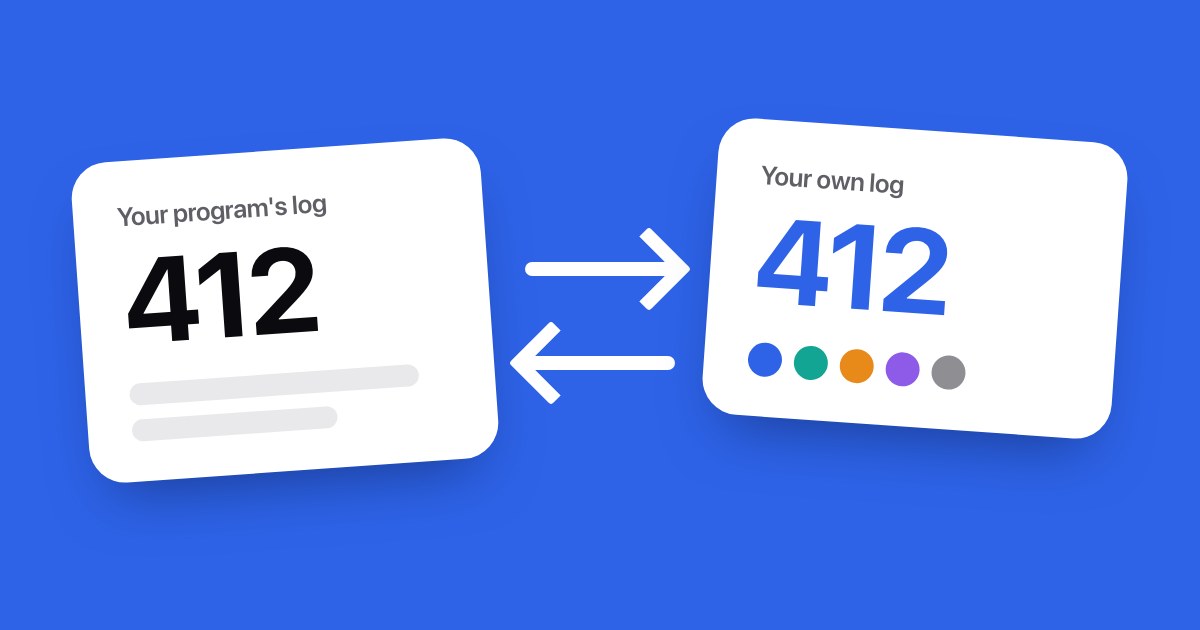
What the required log is for
The ACGME says its Case Log System tracks residents' and fellows' procedural and patient care experiences, to make sure they meet the requirements set by the Review Committee for their specialty. Program directors and coordinators can review what is logged, and Review Committees use program-level data to judge whether a program has enough patient volume and cases for the number of residents it trains [1].
That makes it a record kept for your program and for accreditation as much as for you.
What a personal log adds
- It is yours. It stays with you when you graduate, change program or change hospital.
- It holds what you choose. Your own notes on a technique, a block you want to count separately, a case you want to remember.
- It answers your own questions. How many of something you have done, and when you last did one.
The ACGME notes that case log records matter after training, as documentation for physicians seeking hospital privileges for certain procedures [1]. A personal log keeps your own copy of that history.
Running both without doing the work twice
- Log in the required system first. It is the one that counts.
- Make the personal entry straight after, from a template, while the case is in front of you.
- Once a month, compare the totals. If they differ, correct the required log first.
Where the line is
- Do not copy names, initials, dates of birth or medical record numbers out of the hospital record. Keeping patient details out of a logbook explains what the HIPAA rule counts as an identifier.
- Ask your hospital or program what its policy allows on a personal device before you start.
- Do not present a personal total as an official one. Your case numbers are verified by your program director, from the required log [1].
Sources
- Accreditation Council for Graduate Medical Education. ACGME Answers: a look at Case Log minimums, 26 September 2024.
- Accreditation Council for Graduate Medical Education. Anesthesiology: documents and resources.
All read on 28 November 2026.